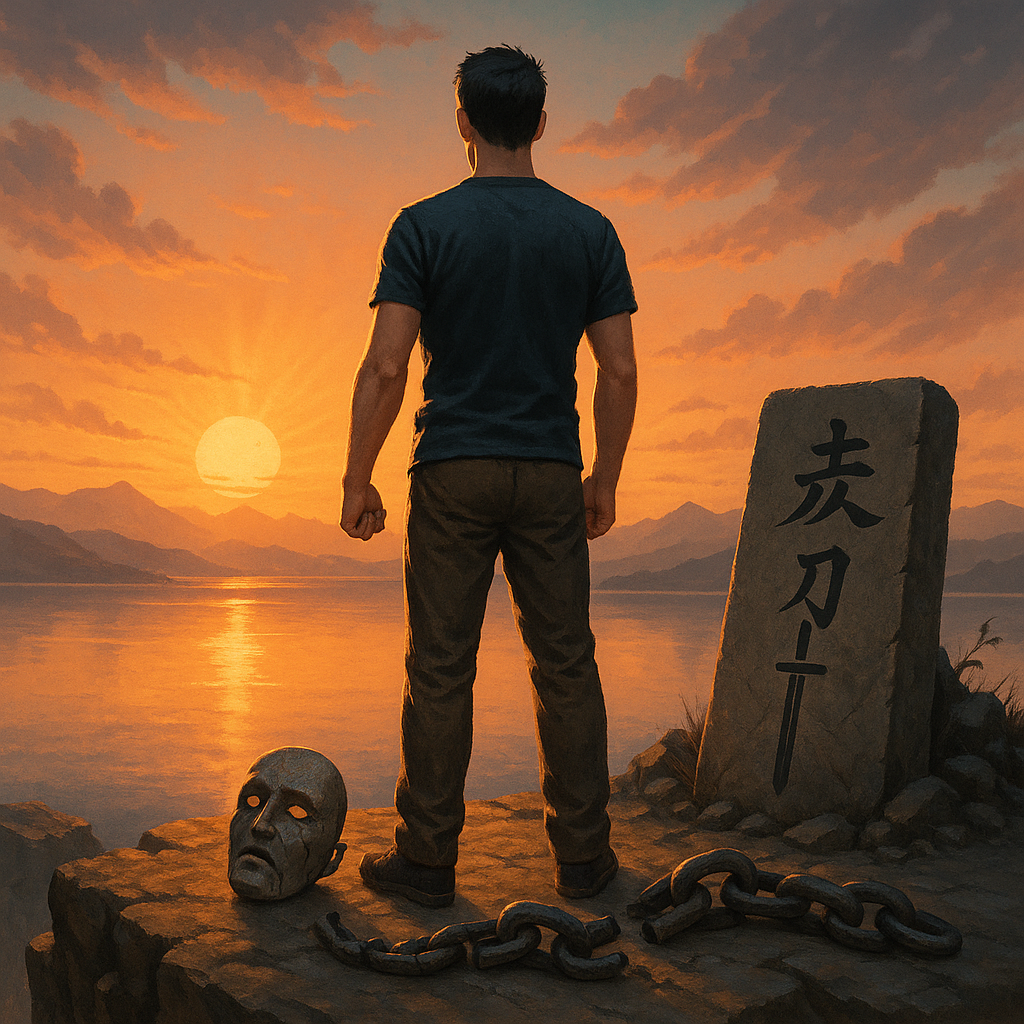
How Quitting Porn Can Transform Your Life: Book Review and Practical Steps
🧱 Introduction: Porn Is Not Just Entertainment
Porn has become one of the most accessible forms of digital content in the world. With a few clicks, it’s possible to access an endless stream of explicit material — anytime, anywhere. For many, it’s a harmless escape. But for millions of others, it becomes a trap that drains motivation, dulls emotions, and distorts intimacy.
In this article, we’ll explore:
- The hidden impact of porn on your brain and life,
- Key insights from the book Your Brain on Porn by Gary Wilson,
- Real-world strategies for breaking free,
- And the incredible benefits that come with quitting.
Focus keyword: quitting porn, porn addiction recovery, your brain on porn
📖 Book Review: Your Brain on Porn by Gary Wilson
Gary Wilson, a former physiology teacher and science enthusiast, launched the website YourBrainOnPorn.com in response to a growing number of men reporting problems with sexual function, motivation, and mental health after years of watching internet porn.
The book is an extension of his popular TEDx talk, “The Great Porn Experiment”, which has garnered millions of views. Your Brain on Porn explains the effects of porn on the brain using simple but science-based language. Wilson presents hundreds of real-life stories, scientific studies, and case reports that show how modern internet porn — with its endless novelty and high-speed stimulation — hijacks the brain’s reward system.
Gary Wilson’s Your Brain on Porn is more than just a book — it’s a wake-up call. Based on neuroscience and real-life testimonials, Wilson explores how internet porn affects dopamine levels, rewires brain circuits, and can lead to addiction-like behavior.
🧪 Key Takeaways:
- Porn impacts your reward system like addictive substances (📚 source).
- The Coolidge effect — a biological drive to seek new sexual partners — is hijacked by endless novelty online.
- Many users report symptoms such as brain fog, social anxiety, low libido, and even erectile dysfunction (aka PIED — porn-induced erectile dysfunction).
- Quitting leads to recovery, often within weeks or months, with marked improvements in energy, focus, and emotional resilience.
The book includes hundreds of stories from the website YourBrainOnPorn.com, a community of people recovering from porn addiction.
The Neuroscience of Porn Addiction
Porn addiction is not about a lack of moral character or willpower. It’s about how the brain responds to supernormal stimuli — exaggerated versions of natural rewards, such as food or sex.
Internet pornography is:
- Instantly accessible
- Limitless in variety
- Rewarding without effort or intimacy
This combination triggers an intense flood of dopamine — the brain’s “motivation molecule.” Over time, the brain adapts by reducing dopamine receptors, making regular activities feel less satisfying. Users often escalate to more extreme content to get the same rush, a hallmark of addiction.
📖 For a deeper dive into how dopamine drives compulsive behavior, check out this article by Psychology Today.
⚠️ How Porn Hijacks the Brain
Porn addiction isn’t just a moral issue — it’s a neurological one.
When you watch porn:
- Dopamine spikes in your brain.
- Over time, you develop tolerance — needing more variety or intensity to feel the same arousal.
- Natural rewards (like love or real sex) begin to feel dull.
- Your motivation for non-porn goals (school, work, hobbies) decreases.
🧠 Studies have linked porn use to:
- Delayed gratification issues (source)
- Reduced grey matter in reward-processing areas of the brain (source)
- Weakened working memory and concentration
🌪 Symptoms of Porn-Induced Problems
Many people don’t realize they’re struggling because of porn. Symptoms may include:
- Lack of motivation
- Brain fog
- Mood swings or irritability
- Erectile dysfunction (in young, otherwise healthy men)
- Decreased emotional connection in relationships
- Shame, guilt, or secrecy
And perhaps most devastating: a loss of inner clarity and confidence.
✊ How to Quit: 6 Science-Backed Strategies
1. Track Your Triggers
Start by noticing when, where, and why you feel the urge. Is it boredom? Stress? Loneliness? Recognizing patterns is the first step to breaking them.
2. Use Accountability Tools
- Join communities like NoFap or Reboot Nation
- Install blockers (e.g., Cold Turkey, BlockSite, or Pluckeye)

3. Practice Dopamine Detox
Spend intentional time away from all digital stimuli — no porn, no social media, no junk food. Reset your brain’s reward system.
4. Replace the Habit
Don’t just quit — rebuild. Exercise, read, create, meditate. Fill your time with meaningful activities that provide long-term satisfaction.
5. Journal Your Progress
Use a notebook or app to track your feelings, relapses, and wins. This reinforces awareness and builds momentum.
6. Seek Therapy If Needed
Some cases require deeper emotional healing. Consider seeing a therapist experienced in porn addiction or behavioral addiction.
👉”Mental Upgrade” is your guide to transformation: from fear to strength, from chaos to clarity, from survival to dream. Enter your email below to receive your free chapter.
💡 What You Gain When You Quit
People who successfully quit porn often report:
| Before | After |
| Brain fog | Mental clarity |
| Low energy | High vitality |
| Guilt & shame | Self-respect |
| Social anxiety | Confidence |
| Relationship issues | Emotional depth |
In many testimonials, people describe a sense of rebirth. They feel more alive, focused, sexually vibrant, and emotionally stable.
“Quitting porn was harder than I expected, but the results blew my mind. I feel like I’ve finally taken my life back.” — A Reboot Nation user
📸 Suggested Images for WordPress:
- Feature image: A cracked phone screen showing explicit content fading away, symbolizing breaking free from digital traps.
- In-article graphic: Brain scan comparing dopamine levels during normal activity vs. porn viewing (Free brain scan images on Unsplash).
- Infographic: Timeline of benefits (Week 1 to Week 12 after quitting porn).
- Book cover: Your Brain on Porn by Gary Wilson (use a clean, credited image or link to Amazon).
🔁 Alternative Books to Explore
- 📘 The Porn Trap by Wendy Maltz
- 📗 Breaking the Cycle by George Collins
- 📙 Out of the Shadows by Patrick Carnes
- 🎧 Podcast: The Porn Reboot Podcast
- 🎥 Documentary: Brain, Heart, World
🔚 Final Thoughts: A Life Beyond Porn
The goal isn’t perfection — it’s progress.
Quitting porn isn’t just about removing something harmful. It’s about creating space for what’s meaningful. Real intimacy. Real purpose. Real energy.
As Gary Wilson wrote: “Porn isn’t the problem. It’s the brain’s response to unlimited novelty that we never evolved to handle.”
Reclaim your mind. Reclaim your focus. Reclaim your life.
💬 Do you struggle with this topic?
Share your story in the comments. Let’s build a shame-free, growth-focused space.